Fire Damage?
Don't Take Chances! Call the Top Disaster
Recovery Company in Greeley and get cleaned up FAST!



Why Choose Us?
- Free Estimates
- Available 24/7/365
- 60 Minute Rapid Response
- Fully Licensed And Insured
- We Work With Your Insurance Company
Call Now (970) 548-4760
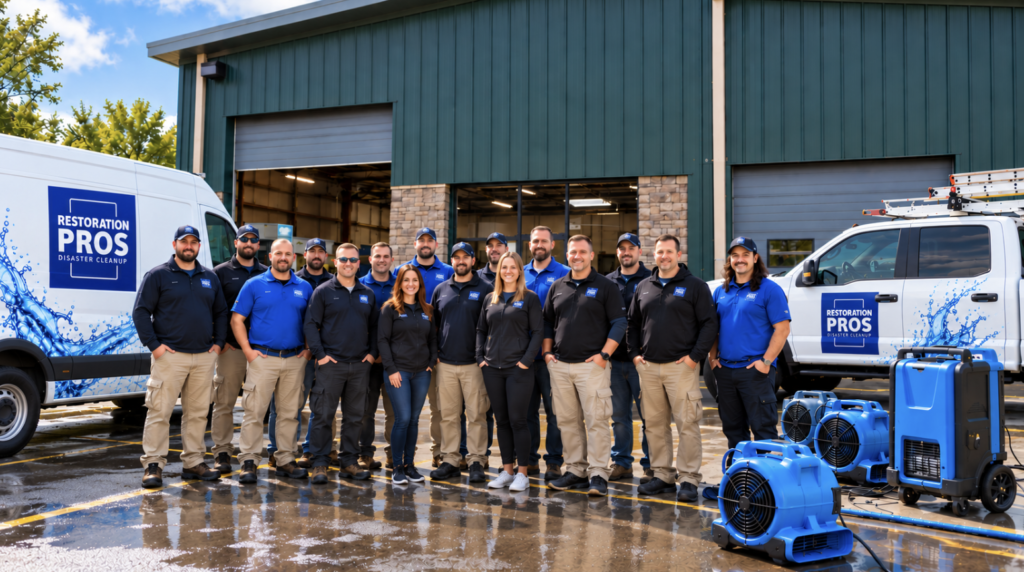
Fire Damage Restoration in Greeley, Colorado
Do not enter a fire-damaged area until emergency officials have cleared it for entry. After clearance, our team helps secure the property, document the damage, and begin fire damage cleanup in a clear order. Smoke, soot, heat, odor, and firefighting water often affect more than the room where the flames were visible.
We help homeowners, landlords, property managers, and commercial property owners in Greeley. Our technicians inspect the building, protect areas that remain usable, and explain which materials and contents need cleaning, removal, drying, or repair planning.
Fire may weaken walls, ceilings, roofs, wiring, and other parts of a building. Smoke residue may also move through open areas, ductwork, and porous materials. We discuss controlled access and temporary protection before cleanup begins, then separate contents for cleaning, pack-out, or replacement review.
Need Restoration Help in Greeley? Call (970) 548-4760
Our process starts with a safety review and detailed documentation. We assess charred materials, smoke residue, odors, ceilings, walls, flooring, cabinetry, insulation, HVAC surfaces, and personal contents. IICRC certified techs use the findings to organize the work, provide updates, and keep cleanup decisions clear.
Safety and Assessment After a Fire
Firefighting water creates another source of damage in lower levels, wall cavities, flooring, and areas below damaged ceilings. Our technicians remove standing water and use moisture meters to check affected materials. Fans, dehumidifiers, and other drying equipment help control trapped moisture in drywall, wood, flooring, insulation, and contents.
How Fire Damage Cleanup Moves Forward
We move from immediate safety concerns to stabilization, cleaning, contents handling, odor control, and repair planning. This order helps protect sound areas and separates emergency work from later rebuilding decisions.
- Assessment: We inspect fire, smoke, soot, odor, firefighting water, contents, and access concerns.
- Stabilization: We address exposed areas and establish controlled work zones.
- Water removal and drying: We remove firefighting water, place drying equipment, and record moisture readings.
- Smoke and soot cleaning: We clean sound surfaces and contents with tools suited to the residue and material.
- Odor control: We identify odor sources and treat affected building materials and contents.
- Repair planning: We explain remaining repair needs after cleaning and drying are complete.
Our equipment may include HEPA vacuums, air scrubbers, specialty cleaning tools, and odor-control equipment. Smoke residue on drywall, wood, textiles, cabinets, and HVAC surfaces needs different handling. We evaluate each material before selecting a cleaning method.
Fire Cleanup for Homes and Rental Properties
Home and rental-property cleanup may involve kitchens, bedrooms, attics, basements, garages, living areas, and stored contents. We document affected rooms and explain which areas need cleaning, monitoring, removal, or repair. Landlords and property managers also receive clear updates for owners, residents, building staff, and repair trades.
Attached homes and multifamily buildings need added attention around shared walls, utilities, and nearby units. Smoke movement, firefighting water, and damaged building systems may extend beyond the original fire area. Our team organizes the inspection so those connected spaces are not overlooked.
Commercial Fire Damage Cleanup
Commercial cleanup requires planning around occupants, access, equipment placement, work zones, and business interruption. Offices, restaurants, retail properties, warehouses, and mixed-use buildings may contain inventory, electrical equipment, tenant spaces, and water-sensitive records.
We coordinate contents handling and work areas around the property layout. In Greeley’s 10th Street commercial corridor, mixed-use and multifamily buildings may require careful scheduling around shared entrances and occupied spaces. We document affected areas and keep the owner informed as cleaning, drying, and repair planning progress.
For immediate fire damage help in Greeley, call (970) 548-4760 to discuss what happened and the next steps for your property.
Frequently Asked Questions
When is it safe to enter a fire-damaged property?
Enter only after emergency officials have cleared the area. Fire may weaken the structure, expose wiring, and leave unsafe smoke or soot conditions. Our team performs its assessment after access is permitted.
What does fire damage cleanup include?
Fire damage cleanup includes safety assessment, documentation, debris and damaged-material review, soot cleaning, odor control, contents evaluation, drying after firefighting water, and repair planning.
Do you clean smoke and soot from contents?
Yes. We evaluate contents for cleaning, pack-out, or replacement review. The cleaning method depends on the residue, the material, and the condition of each item.
Can firefighting water cause additional damage?
Yes. Firefighting water may affect flooring, drywall, wood, insulation, contents, and areas below damaged ceilings. We remove standing water, place drying equipment, and record moisture readings when water has entered the property.
Do you clean HVAC surfaces after a fire?
We inspect accessible HVAC surfaces for smoke and soot residue. Findings from the inspection help determine the cleaning and repair steps for affected systems.
How do you handle a rental or multifamily fire loss?
We document affected units and shared areas, inspect nearby spaces, and provide clear updates for owners, residents, property managers, and repair trades. Shared walls and utilities receive particular attention.
How is commercial fire cleanup managed?
Commercial cleanup is organized around occupants, access, equipment placement, work zones, contents, and business interruption. We coordinate the work with the building layout and document affected areas as cleanup progresses.
What should I do before the restoration assessment?
Stay out of areas that have not been cleared and avoid disturbing soot or damaged contents. Share the property location, occupancy status, fire-affected areas, and whether firefighting water entered the building.